Friday, September 26, 2014

Shaking Up the Poetry Scene in Santa Barbara

Melinda Palacio

Emma Trelles, Mission Poetry Series Director


Emma Trelles is taking over the Mission Poetry Series in Santa Barbara. The Florida native is immersing herself in all things California, not just poetry. Last weekend, she volunteered with the Santa Barbara County coastal cleanup and helped collect 3,864 pounds of trash on the beach and 831 pounds of recyclable materials.

She sat down with La Bloga and discussed some of the exciting changes at the Mission Poetry Series. The series has always been a favorite of poetry enthusiasts in Santa Barbara and beyond. The poetry is always exceptional (disclaimer I am reading with Blas Falconer and Michelle Detorie this season; Emma herself read last year), and the series is generous with free refreshments and broadsides for the audience.

Emma Trelles is the 2011 winner of the Andrès Montoya Poetry Prize for her book, Tropicalia (University of Notre Dame Press) and the author of Little Spells.


Tropicalia by Emma Trelles 


La Bloga: 
How did you get involved with the Mission Poetry Series?


Emma Trelles:
I first read at the Mission Poetry Series in the fall of 2013 and hit it off with the series' co-founder and director at the time, Paul Fericano. He's a lovely and intelligent person, as well as a talented poet, who really cares about bringing quality poetry to the community. But he was moving full time to San Francisco and wasn't going to be able to continue directing the series from there, so he asked me to take over. 


Paul Fericano, co-founder and former director of the Mission Poetry Series

La Bloga:
Can you tell us a little bit about your poetry and how being in Santa Barbara has influenced your work?


Emma Trelles:
Moving to Santa Barbara was, in some ways, a huge change for me, particularly since I had lived in South Florida my entire life. Since "place" is a subject I've often addressed in my poems, I definitely see SB seeping into my lines now, mostly in subtle ways that have to do with its eco-systems and how they can be examined through the lens of myth and culture. While in Florida, for example, water was prominent in my poems and even my dreams. Here, its absence is now finding its way into my consciousness as well as my creative work. I never thought I'd say this, but I actually miss those muggy afternoon monsoons that would just pour down and wash the world clean. South Florida has some glorious rain...


Sister Susan Blomstad, Co-founder of the Mission Poetry Series

La Bloga:
The Mission Poetry Series began at the Mission, but has changed venues. Will you rename the series?

Emma Trelles:

I'd like to keep the series name intact to honor the place of its birth, the historic Old Mission in SB, and to recognize the hard work its founders Paul Fericano and Sister Susan Blomstad did in establishing it as a valued and respected reading. The Mission is one of SB's historic jewels and I love that the series reflects that in its own way.


Mission Santa Barbara


La Bloga:
Tell us about what you will maintain and the changes forthcoming in the Mission Poetry Series.

Emma Trelles:
I want the series to maintain the spirit of inclusiveness that Paul cultivated so well, as well as his attention to bringing poets of diverse backgrounds and ages in to read. I'd like to further develop that by including more Latino poets, especially because SB and its surrounding regions are so rich with Latino culture and talent. I'm also exploring how to add additional programming that would further serve greater Santa Barbara by connecting it with poetry through volunteer work, workshops, and more. It's all in the preliminary stages now, but stay tuned for more later this year, when MPS will likely announce on our Facebook page what we're up to!


Mission Poetry Series, Saturday September 27, 1pm

Thursday, September 25, 2014

Libros para celebrar en familia


Los libros para niños que celebran la herencia latina cumplen un doble propósito, ya que impulsan la imaginación y el conocimiento, y refuerzan  su sentido de identidad cultural.

Según Adriana Domínguez, agente literaria y experta en literatura infantil multicultural, la lectura es una de las herramientas más útiles que tenemos para fomentar la herencia cultural en los niños.

"Los libros infantiles en español y bilingües en muchos casos nos ofrecen la oportunidad de compartir con nuestros hijos los juegos, rimas, canciones e historias con las que crecimos, creando así una línea directa entre ellos y sus antepasados", dijo.

Otro valor que ofrecen los libros para niños es la oportunidad de compartir el acto mismo de la lectura.

"Los expertos han comprobado que leerles a nuestros niños ayuda a reforzar nuestro vínculo afectuoso con ellos", señaló Domínguez. "Y, por supuesto, leer material que asociamos con nuestra propia niñez sirve aún más para unirnos a ellos".

Según los expertos, el hábito de la lectura es probablemente el factor más significativo para predecir el éxito escolar. Para los padres, el promover la lectura puede parecer un esfuerzo monumental, pero no tiene por qué serlo.

Según Domínguez, el simple acto de ponerle un libro entre las manos a un niño, ya comienza a prepararlos para tener éxito en la escuela.

"Léeles a los pequeños antes de acostarlos por las noches y regálale libros en todas las ocasiones posibles a los más grandes", recalcó.

Domínguez también exhorta a los padres a que exploren las bibliotecas y, sobretodo, que los ayuden a encontrar material de lectura con el que se puedan identificar.

" No importa si los libros son en español o en inglés," añadió, "procura que sean buenos y que de alguna manera reflejen su realidad".

Los libros para niños protagonizados por personajes que comparten su herencia cultural tienen un gran impacto en sus jóvenes lectores, al reafirmar valores, lenguaje y costumbres en común. Según Laura Lacámara, autora e ilustradora de libros para niños, los jóvenes lectores que se ven reflejados en los libros que leen sienten un mayor aprecio por su cultura.

"De niña, yo no veía a nadie que se pareciera a mí en nuestro vecindario, y mucho menos en los libros que leía", recuerda.

"Hoy día, cuando llevo mis libros a las escuelas de Los Ángeles, puedo ver por mis propios ojos lo importante que es para los niños verse reflejados en sus libros".

Lacámara recuerda a una estudiante que se le acercó después de una presentación escolar. 

"La niña se me acercó y me susurró al oído, como si guardáramos el mismo secreto: 'la Anita de tu libro ¡se parece a mí!"

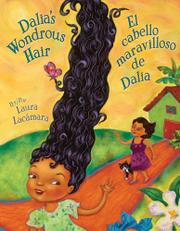
En su libro más reciente, "El cabello maravilloso de Dalia" (publicado en edición bilingüe por Arte Público) Lacámara celebra la importancia cultural del cabello en un relato lleno de magia y ensueño. Ilustrado con gracia y fantasía por la misma autora, el libro incluye también un glosario de plantas y animales nativos de la isla de Cuba e instrucciones de cómo hacer tu propio jardín de mariposas.


Las biografías ilustradas para niños ofrecen una ventana especial hacia la cultura latina. En este género se destacan los libros de Mónica Brown, con biografías para niños de personajes tan célebres como los poetas Gabriela Mistral y Pablo Neruda, la cantante Celia Cruz y la estrella del fútbol, Pelé.

Para los jóvenes, el sello Piñata de la editorial Arte Público ofrece una selección de libros en formato "flip" bilingüe, donde al darle la vuelta al libro encontrará su versión en español.

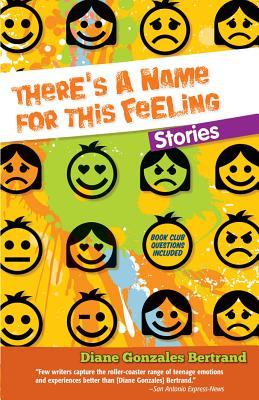
Entre sus títulos reciente se destaca Hay un nombre para lo que siento de Diane Gonzales Bertrand.


Esta colección de cuentos presenta situaciones con las que muchos adolescentes se pueden identificar: desilusiones amorosas, conflictos entre amigos, juegos peligrosos y sus consecuencias.

En el cuento "Mi lengua torcida", un cliente en guayabera se acerca a la joven Ninfa y le pregunta por qué no habla español cuando evidentemente es latina. Aunque Ninfa toma al hombre por grosero, su pregunta le impacta lo suficiente como para confrontar a sus padres sobre el por qué no le enseñaron su idioma.

"Pero sí te enseñamos", le responde su mamá. "Hablabas solamente español hasta que cumpliste cuatro años".

Su padre, sin embargo, le explica que si después insistieron en que solo hablara inglés fue con la intención de que pudiera tener éxito en este país.

Gonzales maneja el tema con delicadeza, navegando pasajes difíciles que de seguro muchos jóvenes latinos han atravesado sin dirección. Aquí la autora les ofrece una brújula de papel con sus historias entretenidas y contundentes.

Wednesday, September 24, 2014

5th Children's Poetry Festival in El Salvador


Jorge Argueta from Talleres de Poesía says:

When the first buses arrive at the Children's Poetry Festival "Manyula", it is truly a marvelous moment. All heaviness, frustration, or any difficulty we may have had organizing the event at that moment disappears, magically everything turns into smiles, into hope. I feel goose-bumps all over. I know that in front of me is the present and future of a whole nation. I cry from the emotion. It is so wonderful to see our children coming from Sonsonate, Cabañas, San Miguel, Chalatenango. The majority of these children don't know where they are going, they came happy, for some of them this will be the first visit to San Salvador, the capital and the first time away from their hometowns. For our children this is such a fun and fantastic trip. Suddenly these buses have taken them to a place called Biblioteca Nacional, the National Library of El Salvador, the house where books and knowledge live. Here we wait for them, we receive them with happy cheers and applause, the library is dressed with balloons, music, clowns, and banners, Manyula the festival mascot greets them. These children are the little heroes of El Salvador. Throughout the day they hear poetry, they read poetry and they write poetry. They last part of the festival is a fun  "educational fiesta". The kids enjoy lunch and participate in a show. As they leave they all receive a festival tote bag with goodies including books and pencils. When the day is over, they will bring home memories of  an unforgettable day, a wonderful experience and more than one of them will say "I would like to be a poet". This year the festival will take place from the 19th through the 22nd of November. I kindly asked you to please take 5 minutes to donate $5, $10 or whatever you can - the process is very simple (see link below). Our children deserve it. Long live El Salvador. 


Please visit thisr site for more details and to make a donation:


Tuesday, September 23, 2014

Autumn Mailbox News & Notes

Michael Sedano

Looking forward…
Los Angeles Sep 24 • Call for Readers / Writers • Quixote's 400th Anniversary

Planning reaches a critical stage for the University of Southern California Doheny Memorial Library’s “Day of Readings” commemorating the 400th anniversary of the completion of Miguel de Cervantes’ Don Quixote de la Mancha in 1615.

Tempus Fugit, an old Latina Latino would advise, noting the tight deadline to express interest to be a reader or writer at the 2015 event.

This is a nationwide call from USC’s Boeckmann Center for Iberian & Latin American Studies. The Center’s Librarian, Barbara Robinson, who sponsored the 2010 Festival de Flor y Canto Yesterday • Today • Tomorrow, tells La Bloga that the Quixote event will have two parts.

The morning begins with the novel reading on a stage at the heart of the USC campus. Here’s Tom Miller’s memories of participating in a reading in Madrid. Visiting readers, USC students, faculty, staff, alumni will select and read passages in their language of choice from the novel.

That evening poets, novelists, short story writers, journalists, artists, actors, and scholars may elect to read passages from the novel, or present original work illuminating divergent views on the novel and its legacies for people in the Americas.

Organizers will call upon USC’s formidable multimedia resources to project illustrations of Don Quixote's characters and adventures onto the facade of Doheny Memorial Library.

• Open to reading a few pages from Don Quixote in the all-day reading?
• Open to writing something related to Quixote, Cervantes for the spotlight session, or perform a reading?

Writers and readers open to participating will express interest via email by Sept. 24 to Bill Dotson or to Barbara Robinson.


Looking forward…
Nationwide Dec 1 • Speculative Fiction

Latino/a Rising: An Anthology of U.S. Latino/a Speculative Fiction will be the first anthology
to bring together U.S. Latinos/as who are working in science fiction, fantasy, and other speculative genres.

Submission guidelines at this link.

Houston Sep 27 • Librofest


Arte Público Press authors will play a prominent role in the 3rd annual Houston LibroFEST, a festival celebrating Latino literature and culture on Saturday, September 27, 2014, from noon – 8pm at two Houston Public Library (HPL) locations.

This entertaining all-day event, part of Houston Public Library’s Hispanic Heritage Month celebrations, is a book and arts festival for the entire family that highlights Hispanic writers and the vibrant culture, music and art of the city’s Latino community. Visit the fest site here.


Santa Barbara Sep 27 • Mission Poetry Series


Monday, September 22, 2014

Dr. Theresa Torres Receives Community Outreach Award in Kansas City y más.


Por Xánath Caraza


Dr. Theresa Torres
 

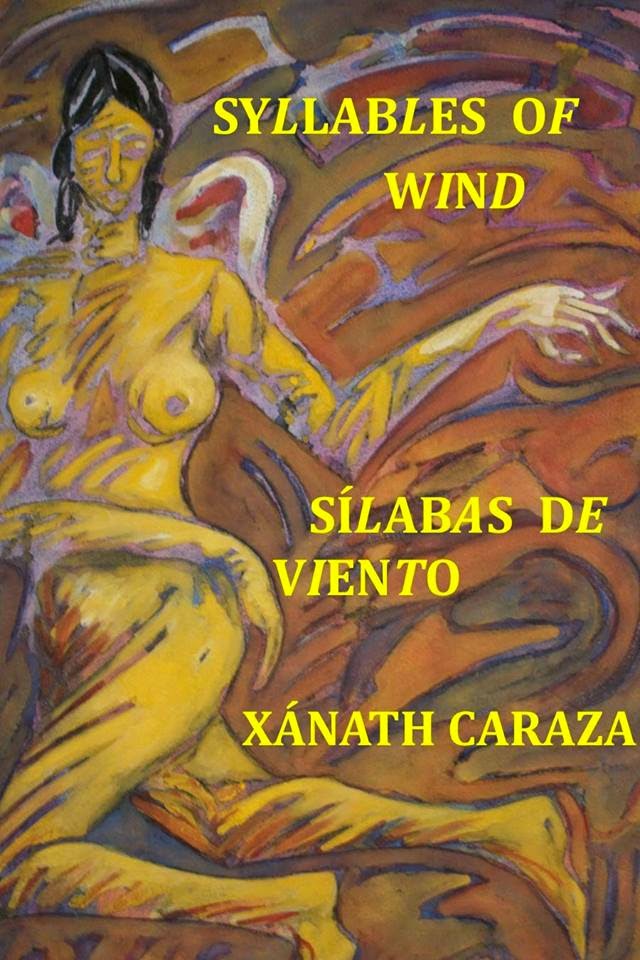
Kansas City Chican@s are celebrating el otoño with a bang.  Firstly, this year’s Community Outreach Award granted by Guadalupe Centers, Inc. went to Dr. Theresa Torres, who has a long trajectory in Kansas City.  Next, NACCS will have its Midwest Focus Conference at the University of Missouri-Kansas City (UMKC) and Sílabas de viento/Syllables of Wind has its debut in Kansas City as well.


Dr. Theresa Torres
 

Associate Professor Theresa Torres, Ph.D., of UMKC, has recently received the Dr. Thomas E. Purcell Award for her outstanding contributions to the Guadalupe Centers,Inc. at the Blanco y Negro Annual Awards Gala in Kansas City, MO.

The award is given in recognition of the man {or woman} who impacted the growth of the Westside community in the early 1900s.  Purcell was concerned about the plight of the growing Mexican immigrant community and dedicated much of his life to improving the quality of life of Kansas City’s new arrivals.

Torres has served on the Guadalupe Center Board for ten years including three years as the Board secretary and Program Committee Chair.  She currently serves on the Guadalupe Educational System (Charter School) Board and is chair of the Curriculum Committee.  The fund raised each year at the gala benefit the Guadalupe Center and to honor outstanding individuals who have contributed to the growth and development of the center and the Latino Community of Kansas City, MO.

 Dr. Theresa Torres is Associate Professor in the Latina/Latino Studies Program and Department of Sociology at the University of Missouri-Kansas City.  Her areas of expertise are Latina Latino Studies, immigration, race and ethnic relations, religious studies, and gender studies.  Her current book, The Paradox of Latina Religious Leadership in the Catholic Church is an in-depth description of the on-going dynamics of religious identity and gender among Kansas City Latinas in the religious organization of the Guadalupanas and published Dec. 2013 with Palgrave MacMillan.  Her most recent publication is an article, “A Latina Testimonio: Challenges as an Academic, Issues of Difference, and a Call for Solidarity with White Female Academics.” In Why We Can’t Be Friends: Women of Color and White Women in the Academy, ed. Karen Dace. New York: Routledge Press, 2012.

She has been a professor at the University of Missouri for nine years and has taught a variety of courses since she is an interdisciplinarian, which means she has diverse research and scholarship from a number of fields: Race and Ethnicity, Latina Latino Studies, Women and Gender Studies, Anthropology, Sociology, and Religious Studies.  Currently she is teaching two classes on Latina/o Studies with a focus on immigration.  She also engages students in community service learning projects and internships.  She places students in projects that serve the inner city by having them working with non-profit agencies or participate in research projects studying the community.  She serves on several boards for non-profit groups and previously worked with non-profit agencies, particularly the Guadalupe Center Inc. and Guadalupe Education System School Board that serve the Latina/o community of Kansas City.  As a scholar, she has direct contact on a regular basis with the urban populations of Latina/os in the Midwest.

Muchas felicidades Theresa!


In Other News


NACCS Midwest Focus: Latin@s in the Midwest: Past, Present, and Future in Kansas City

 
From October 23 – 25, 2014 in Kansas City, UMKC will host and organize the NACCSMidwest Focus: Latin@s in the Midwest: Past, Present, and Future.  The conference theme–Latin@s in the Midwest: Past, Present, and Future–recognizes the rich historical and growing presence of Latin@s in this region. Our goal is to promote awareness and further develop knowledge and analysis of historic, current, and future developments that impact the Latin@ population.


Keynote Presenters:


Dr. Alberto Pulido: "Everything Comes From the Streets" Documentary on Lowrider Culture

Dr. Rogelio Saenz: "Demographics:  Latinos in the Midwest"

Dr. Rusty Barceló: "Navigating Our Midwest Latina/o Journey in Higher Education: Challenges and Opportunities for the Future"


Latina/Latino Studies Program at UMKC

The mission of Latina/Latino Studies (LLS), a program based in the College of Arts and Sciences, is to function as a vehicle for interdisciplinary and multidisciplinary teaching, research and outreach focusing on Latinas/os-Chicanas/os in the U.S. The LLS program will provide an awareness and understanding of the wide diversity of Latino communities, cultures and backgrounds. The development and expansion of our curricula will serve to empower our students with the concepts and skills to better understand a rapidly growing Latina/o population. The LLS program will engage students, scholars and the greater Kansas City community in collaborative projects, programs and service learning efforts. These efforts will foster new curricula and advance research and outreach scholarship to create new knowledge to better understand the cultural, economic, and historical experiences and contributions of U.S. Latinas/os-Chicanas/os and their diasporic origins.


With a full house on September 12, 2014 at The Writers Place Juanita Salazar Lamb and I had a poetry and narrative presentation.  What a delightful evening and gracias a nuestra Arkansan Chicana for being part or the Riverfront Reading Series.  Here are a couple of photos of the event.


Juanita Salazar Lamb at The Writers Place in Kansas City, MO


Xanath Caraza at The Writers Place in Kansas City, MO
 

Finally, on September 15 Sílabas de viento/Syllables of Wind (Mammoth Publications, 2014) was released.  Thank you to Park University’s Ethnic Vocies Poetry Series, Woodneath Library and New Letters on the Air, hosted by Angela Elam, for hosting this event.   Great evening and audience.  Lastly, my upcoming appearances in September will be starting today at Carver Dual Language Elementary School, where I will share some poesía y cuento as part of their month long celebration of Hispanic Heritage Month.   Next, I will participate in the reading at the Raven Bookstore on September 25 as part of the Big Tent Reading Series.  Then on September 30 at the University of Kansas I will have another poetry reading as part of Hispanic Heritage Month.  The Raven Bookstore and KU events will be in Lawrence, KS.  Viva la poesía!  


Xanath Caraza and Angela Elam, Ethinic  Voices Poetry Series and New Letters on the Air


Sunday, September 21, 2014

The Birds of Lincoln Heights: How Shitty Things Can Also Be Beautiful

Olga García Echeverría 


There is an elderly man on our block who loves to feed birds. My girlfriend and I call him Mr. Tom because he is not much of a talker and "Tom" is pretty much what we could get out of him. Every morning, at around 7:00 AM, Mr. Tom drives his Cadillac to the small "park" in the middle of our street. I say "park" in quotes because it is more like an island of grass with some palm trees, benches, and a sandbox.

Mr. Tom only lives a few houses away from this island of grass and sand, but he needs the car to transport the huge sacks of bird seed that he unloads from the trunk. After Mr. Tom has unloaded the sacks, he drags them to the sandbox, opens them, dumps them, and then carefully proceeds to rake the seeds into the sand, creating ripples and patterns on the ground. Mr. Tom is very systematic and serious when he does this. Once, our dog ran into the sandbox while Mr. Tom was raking, and he got terribly bothered, as if someone had just ruined a masterpiece he was creating. All we could do was apologize profusely and try to explain to our dear little dog that the park and the sandbox were off limits in the early mornings.

Because I don't want to bother him, I have always hesitated to ask Mr. Tom why he does what he does. Yet, it's been a lingering question in my mind since I moved here four years ago. Why do you feed the birds? I imagine the cost of feeding so many pigeons on a regular basis costs a pretty penny. This past Monday morning, as Mr. Tom was packing up and getting ready to leave the park, I rushed over to greet him. He was, as always, both civil and curt. Good morning. Goodbye. It's as if he's on a mission, and he doesn't have time for chitchat or bullshit.

Excuse me, can I ask you a quick question? I blurted out as the pigeons swooped around us, enjoying their morning seeds. He was already in the driver's seat and getting ready to start his car, so I did not wait for a response. Why do you do it? Feed these birds every morning?

He paused and looked at me as if the question had caught him off guard.  I like birds, he said turning on his ignition.

For a few seconds his words hovered in the air between us and I thought that was all I was going to get, but then he added, When I first moved to this neighborhood 20 years ago, the birds around here were so starved they hardly had any feathers. They have plenty of feathers now. Some people feed stray cats. Others dogs. I feed birds. Have a nice day, he said as he waved goodbye and began to drive away.

Thanks to Mr. Tom I call our block The Pigeon Capital of Los Angeles. Often when I leave for work in the mornings, there are dozens of birds perched on telephone wires and more dozens circling the sky. So many well-fed pigeons bring forth the hawks, who cruise the sky regularly, waiting for the right moment to strike. Then there is El Arbol de Las Palomas, where about a half dozen doves hang out and nest. Our street is literally the land of rustling wings. And at times, it is the land of gangs of birds, perched high, gawking. It's reminiscent of Hitchcock's The Birds, which is one of my favorite movies, so I don't much mind the ominous quality of having so many winged creatures looming.

The downfall, though, is all the bird shit--white-greyish airborne turds that fall like miniature bombs and splotch whatever they touch. Few on the block escape these droppings. Depending on where we park or which way the winds blew (do winds actually blow in LA?), our cars may or may not get plastered. I used to get angry when my car got bombed. Bird shirt calcifies very quickly under the LA sun, and it eats car paint. 

It's a pain to have to be wiping bird shit on a regular basis, but I admire Mr. Tom and his 20-year devotion way too much to complain or ask him to stop. Feeding the birds of Lincoln Heights is his ritual. Maybe it's what keeps him alive or feeds his happiness. It definitely keeps the pigeons and doves in our neighborhood happy, and by extension the red-tail hawks. And despite the caca-inconvenience, I cannot deny how spectacular the sky looks when so many pigeons are flying in choreographed circles, swooping down to the sandbox and then back up into the urban sky.


*An earlier version of this blog was posted at wingingitinla.blogspot.com